Mwambao, a community-focused marine conservation network in Tanzania, started with a modest $25K and has grown into a $3.5 million organization.
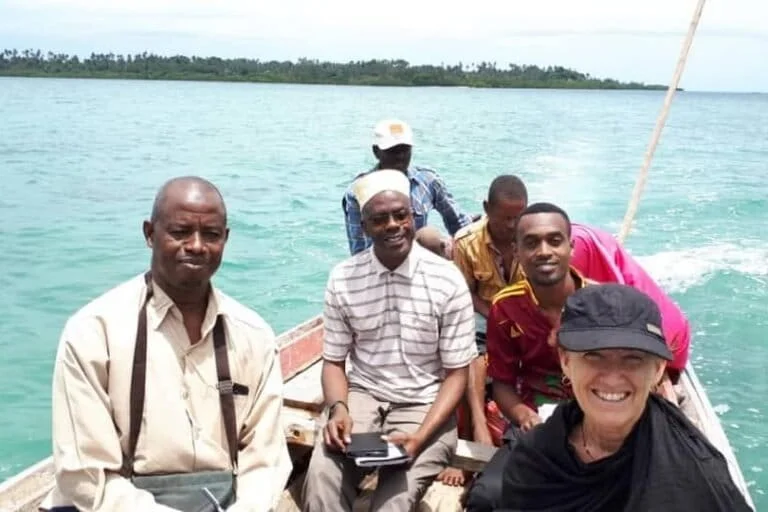
UNGUJA, Tanzania — The origin story of Mwambao Coastal Community Network is more than just a tale of marine conservation; it illustrates the power of grassroots movements in an increasingly corporate world. Ali Thani and Lorna Slade first crossed paths years before they finally joined forces for this vital initiative. Slade’s return to Tanzania was more than a personal journey; it coincided with her master's research in tourism, which placed her at the intersection of academic inquiry and community need. She aimed not just to study, but to catalyze positive change through an important project aimed at empowering local resource stewards. However, the 2008 financial crisis loomed large, casting a long shadow over their plans.
The Fragile Beginnings: A Journey Through Setbacks
The financial backing for their marine conservation initiative faltered significantly, leading to a sum that many would deem insufficient. Slade recalls the moment vividly: “So they said, ‘OK, well, it’s a good idea. We have $25,000, so here you are.’” While this amount seems minor for a project of such scale, this initial funding acted as a catalyst for what would become a vibrant community organization. It opened doors to local engagement and enabled the groundwork for a sustainable model of marine conservation.
Such grassroot efforts often operate under financial constraints that larger international organizations might not face, compromising their ability to deliver long-term impact. This environment of scarcity can stymie ambition, but it also sharpens focus. Against the backdrop of the global financial crisis, Mwambao had to innovate to survive. The modest seed funding proved pivotal in their growth because they transformed it into a blossoming initiative aimed at addressing significant environmental challenges.
A Thriving Organization: Impact on Local Communities and Conservation
Mwambao is now a dynamic presence in Zanzibar and mainland Tanzania, with an annual budget of about $3.5 million. That's an impressive leap from its humble beginnings. The journey from a small-scale community project to a significant player in marine conservation illustrates a broader trend: local organizations often outperform larger entities in context-specific effectiveness. Thani, a coastal Tanzanian with experience in governmental and larger conservation efforts, emphasizes a crucial point: conservation must be shaped and driven by those who directly depend on and interact with natural resources.
This isn't just theory. Thani's philosophy serves as a model for others, challenging the traditional top-down approaches commonly observed in conservation. According to him, it’s essential for local communities to possess both the knowledge and the authority to manage their ecosystems effectively. This grassroots model empowers not just the local community, but fuels a sense of ownership and responsibility towards natural resources. Empowered communities often develop more tailored solutions that fit their unique challenges and capabilities, offering a lesson for conservation efforts worldwide.
Aligning Local Goals with Global Ambitions
This focus on local engagement aligns well with global conservation objectives, particularly the ambitious target to conserve 30% of the planet's land and oceans by 2030. Yet, the reality for local initiatives like Mwambao is often a complex landscape of challenges. Securing sustainable funding remains a significant hurdle. Larger international organizations often have established networks and institutional trust that allow them to raise funds more efficiently. The disparity in funding opportunities raises important questions: How can smaller organizations compete? What investment structures can be built to better support these grassroots initiatives?
Moreover, while the goals set by global agreements are admirable, they often overlook the unique contexts that local communities face. The strategies needed to meet these objectives must be adaptable and responsive to specific environmental, social, and economic circumstances. This is where Mwambao's effective approaches come into play. By focusing on community fisheries management and local expertise, Mwambao exemplifies how empowering local knowledge can bridge the gap between ambitious global goals and grounded local action.
Implications and Future Outlook
The evolution of Mwambao Coastal Community Network highlights broader implications for conservation strategies. If you're working in this space, understanding the balance between local and global initiatives could be key to effective conservation. The empowerment of local communities isn't just an ethical stance; it's proven to be practical. When communities are at the helm, they’re more likely to invest in sustainable practices because they have a stake in the outcome.
Yet, it's essential to consider what lies ahead. The successes seen by Mwambao provide a roadmap, but they also illustrate the volatility of funding and support structures in place. As environmental challenges intensify, the strategic alignment of local initiatives with larger conservation goals will likely dictate future outcomes.
And this is the part most people overlook: without meaningful investment in local initiatives, the lofty targets of global environmental summits may fall flat. The question isn't just about how many acres of land or ocean can be conserved; it’s about who gets to decide what conservation looks like at the grassroots level. This intricacy demands attention—because, ultimately, local stewardship gives us our best shot at preserving this planet for generations to come.



Discussion
Sign in to join the discussion.