The critically endangered Maleo bird is increasingly targeted by traffickers, compounding the threats to its dwindling population in Indonesia.
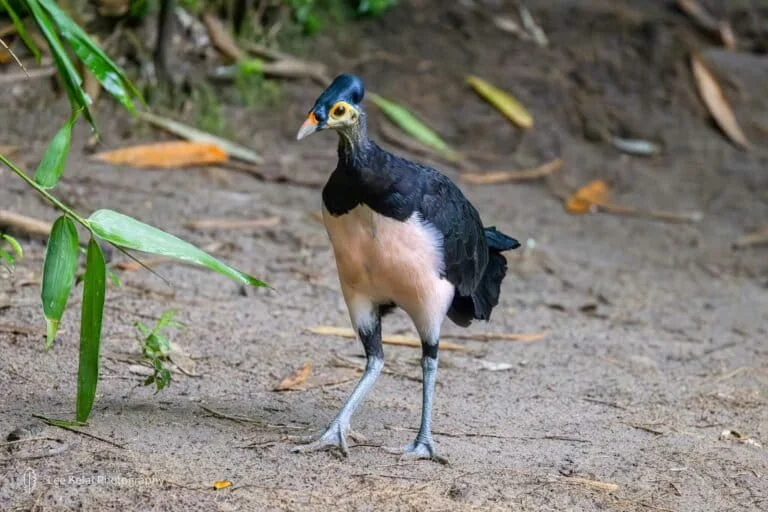
The Maleo, a striking black-and-white bird native to the tropical jungles of Sulawesi, is facing an uphill battle for survival. These birds, distinguished by their vibrant blue, orange, and yellow facial markings, once thrived across the island. Today, however, their numbers have plummeted to an alarming 4,000 to 7,000 breeding pairs, primarily due to habitat loss and poaching activities. The situation is dire, raising questions about the effectiveness of conservation strategies in place and the broader implications for biodiversity in the region.
Habitat Loss and Poaching
Maleos are known for their unique nesting behavior, opting for communal sites on sandy beaches, warmed by either the sun or geothermal sources. This preference for specific nesting locations makes them particularly vulnerable. Unfortunately, extensive development has decimated more than two-thirds of their original 149 nesting sites since 1983. Urban expansion and mining activities, which have surged in recent decades, encroach on these vital habitats, making recovery increasingly difficult for the species. The ecological balance is delicate. Destroying these environments doesn’t just threaten the Maleo but can have cascading effects on the entire ecosystem.
The increasing accessibility of these nesting areas has made them prime targets for poachers, who raid nests for the sought-after delicacy of Maleo eggs. It’s not just a case of eggs and birds being taken; it’s about the loss of a complex eco-niche that has developed over millennia. Poachers often operate in the shadows, taking advantage of poorly monitored areas, which means enforcement agencies must improve their strategies to protect these birds. Additionally, the local communities, who once coexisted with these birds, might be economically incentivized to engage in poaching. These factors complicate the conservation landscape significantly.
The Emerging Threat of Trafficking
A recent study published in the Journal of Asian Ornithology highlights a troubling new trend: the illegal trade of live Maleo birds, driven by the burgeoning market for exotic pets. Wildlife traffickers are now capturing these endangered species to meet the rising demand, further endangering their survival. This is more significant than it looks. Ensuring the survival of a species isn't just about protecting their habitats; it's also about curbing demand for them in global markets.
Documented seizures in recent months underscore the gravity of this issue, posing an additional challenge to conservation efforts aimed at protecting these iconic birds. The illegal wildlife trade taps into a lucrative international economy that often overlooks the severe ecological implications. If you’re working in this space, understanding the dynamics of trafficking—who the buyers are, where the birds are being sold—is crucial for effective intervention strategies. Moreover, intensified focus on raising awareness about the plight of the Maleo among consumers could reduce demand, illustrating that each citizen has a role to play in conservation.
Implications and Future Outlook
The decline of the Maleo symbolizes a broader issue facing countless species around the globe. When a species like the Maleo becomes threatened, it's a wake-up call about humanity's impact on fragile ecosystems. The urgency for effective protective measures is clear, but there's another layer to this story: collaboration among various stakeholders is essential. NGOs, government bodies, and local communities need to work together, combining resources and knowledge to craft comprehensive strategies for conservation.
Many conservationists are pushing for initiatives that promote sustainable tourism as an alternative economic model. This could help local communities benefit financially without resorting to poaching. Education campaigns that target young people can also foster a culture of respect for wildlife, reducing the allure of dealing with traffickers. The interconnection of biodiversity conservation with socio-economic factors adds complexity to the Maleo's plight. An integral approach that considers both ecological health and community welfare might be the key to saving not just the Maleo, but a host of other threatened species as well.
As legislative measures evolve, and conservation programs adapt, the situation needs vigilant monitoring. The Maleo’s future hinges on a multifaceted strategy that not only addresses immediate threats but also looks to create a sustainable coexistence between humans and wildlife. In the coming years, it’ll be interesting to see whether the committed efforts from conservationists yield results or if the Maleo disappears from its native home permanently. This isn't just a story about a bird; it's emblematic of the urgent need for a paradigm shift in how humans view their relationship with nature.



Discussion
Sign in to join the discussion.