International Whaling Commission Maintains Moratorium on Commercial Whaling
Published Oct 07, 2026Reads 1,456By Rebecca Kessler
The IWC voted down a resolution to revive commercial whaling, preserving a 40-year moratorium crucial for whale species recovery.
Context of the IWC Assembly
A recent assembly of the International Whaling Commission (IWC) concluded without resurrecting commercial whaling, as a contentious resolution was removed from discussion on the final day. This draft resolution, primarily proposed by Antigua and Barbuda, with backing from Palau, St. Kitts and Nevis, St. Lucia, and Togo, aimed to prompt conversations about the “sustainable use of whale resources,” which could have led to reinitiating commercial whaling practices. However, Grenada, a non-sponsor of the bill, withdrew it, ensuring the preservation of the IWC's enduring 40-year global moratorium on the practice.
Historical Significance of the Decision
Held from September 27 to October 2 in Hobart, Tasmania, the IWC's 70th meeting attracted around 400 representatives from its 89 member countries and various observer organizations. This gathering marked significant milestones: 80 years since the IWC's inception and 40 years since the moratorium on commercial whaling came into force. These anniversaries are critical not just for the IWC but for global marine conservation efforts. The long-term ban reflects the international community's changing attitudes toward whaling, driven by a growing appreciation for biodiversity and the intricate ecosystems these marine mammals inhabit.
Here's the thing: this assembly was more than a mere formality. It was a stage for countries to express their commitment (or lack thereof) to whales and marine conservation. With the moratorium still intact, it's a solemn statement about the collective responsibility to protect these species, some of which have shown signs of recovery but remain at risk from other human activities, such as climate change and habitat loss.
The Framework of the Moratorium
The International Convention for the Regulation of Whaling, established in 1946, specifies only baleen and toothed whale species regarding the moratorium, leading to discussions about its applicability to smaller cetaceans. The exclusion of smaller whale species from this protection has raised questions about whether the IWC should broaden its focus. The conservation discourse often hinges on scientific data and shifting ecological policies. The gaps in the current framework could be an opening for future debates—what's next for the IWC?
You might wonder why this matters. The ongoing debate about whether the moratorium applies strictly to larger whales or if it could be expanded reflects broader conversations about conservation efforts. If you're working in this space, consider how cetacean populations might be impacted by these regulatory ambiguities, which can sometimes undermine conservation efforts instead of enhancing them.
The Ongoing Conservation Challenge
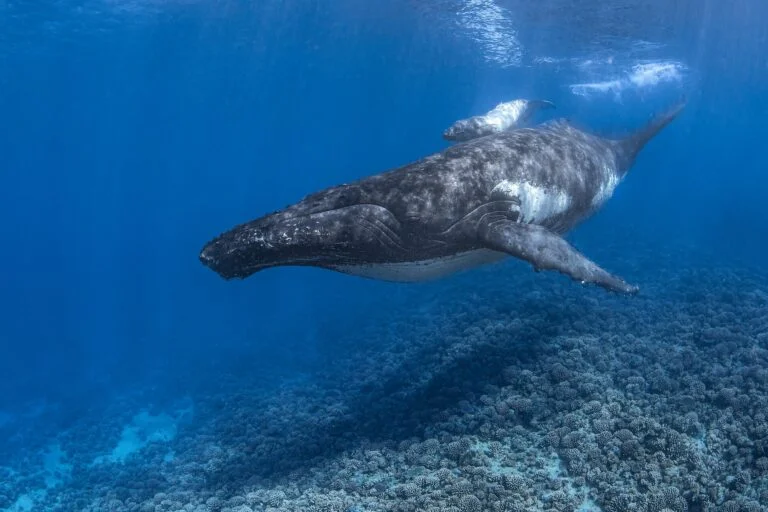
Experts acknowledge that the moratorium has played a vital role in the recovery of numerous whale populations that were previously endangered due to extensive whaling. For species such as the humpback and gray whales, this has resulted in remarkable population rebounds. However, the success stories aren't universal; some species remain critically endangered. Ongoing threats to these species remain a concern for conservationists and marine biologists alike.
This duality highlights the complexities surrounding marine conservation. As whales begin a slow comeback, factors like shipping traffic, pollution, and climate change pose new challenges. When you're advocating for these creatures, it's not just about stopping whaling; there's an entire ecosystem of threats to consider.
Implications for Future Conservation Policies
The recent IWC assembly's decision not to revive commercial whaling discussions brings several implications for marine conservation policies. First and foremost, it signals a continued prioritization of sustainable practices over exploitative ones. The absence of commercial whaling reaffirms global sentiments leaning towards conservation as a leading principle guiding marine resource management.
Moreover, without strong commercial interests pushing for the revival of whaling, attention may now shift to enforcing existing protections and expanding conservation strategies. After all, conservation efforts are often muddled by commercial practices, and the IWC's stance against commercial whaling provides a clear directive for protecting marine biodiversity.
What does this mean for the future? It opens up room for new discussions about sustainable marine management and alternative livelihoods for communities that have historically relied on whaling. As they adapt to shifting paradigms, these communities can seek economic viability without compromising the health of ocean ecosystems.
It's intriguing to think about how these evolving narratives can reshape our relationship with marine wildlife. Are we ready for this shift? Only time will tell. But the trends from this IWC meeting suggest a strong preference for conservation, making any future attempts to revive commercial whaling not just a scientific challenge but also a socio-political one.
The future of whale conservation hinges on collaborative efforts among nations, scientists, and advocacy groups. It’s a dynamic arena where substantial shifts can yield positive outcomes—if we collectively prioritize our marine environments. And while challenges remain, the continued maintenance of the moratorium should serve as both a guideline and an inspiration for innovative strategies to protect these magnificent creatures that once faced near extinction.



Discussion
Sign in to join the discussion.