A straightforward approach—painting turbine blades—shows remarkable effectiveness in reducing bird fatalities near wind farms.
Wind Energy and Its Environmental Impact
Wind energy has grown significantly over the past few decades, becoming one of the most prominent renewable energy sources. As nations strive to combat climate change, wind turbines are often lauded for producing clean energy without greenhouse gas emissions during operation. However, this clean energy comes with an overlooked downside—threats to avian populations caused by turbine collisions. As wind farms proliferate around the globe, the need to understand and mitigate their impact on wildlife, particularly birds, is becoming all the more pressing.
Understanding the Bird Collision Issue
The issue of bird collisions with wind turbines isn’t merely a matter of individual incidents; it points to broader ecological consequences. Birds often struggle with the visual perception of rapidly rotating blades, leading to what scientists call "motion smear." Essentially, the speed at which the blades rotate can create an optical illusion; the blades can appear invisible just before impact. This creates a grim cycle where turbines are strategically placed in migratory paths or habitats, making them even more dangerous to birds that traverse these networks.
This isn’t a new problem. Previous research has shown that many species are vulnerable, especially during migration seasons when they travel in large flocks. For example, raptors and seabirds are particularly susceptible due to their flight patterns and reliance on visual cues. If you're working in this space, it’s vital to grasp that while wind energy plays a role in reducing carbon footprints, its collision risks must be addressed to prevent further declines in bird populations.
A Simple Solution: Painting Turbine Blades
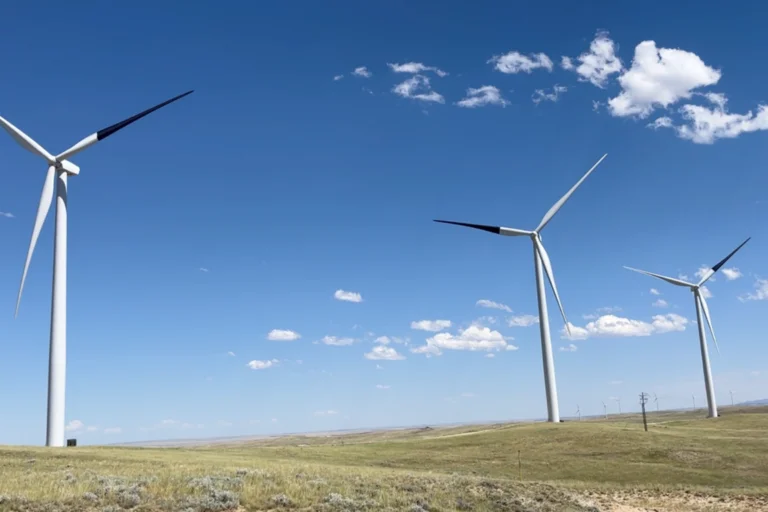
Recent research presents a surprisingly straightforward, yet effective solution: painting one blade of the turbine a contrasting color. The study by Acciona Energía at the El Ruedo wind farm in Cadiz, Spain, focused on this method, painting one of the four turbine blades black while leaving 16 others painted white. By creating visual contrast, researchers aimed to counteract the motion smear effect, making it easier for birds to see the turbines as they approach.
The results were compelling, with the painted turbines experiencing about a 74% reduction in bird fatalities compared to their all-white counterparts over the study's span. This stark reduction not only calculates a significant decrease in loss of avian life but also raises the question—could such a simple intervention be adopted more broadly across the industry?
Global Context and Comparative Research
This Spanish initiative aligns with findings from other parts of the world. A Norwegian study showed that painting one rotor blade black resulted in over a 70% decrease in bird fatalities, further validating the method's efficacy. In South Africa, researchers reported even higher success; an 83% reduction in bird deaths was documented by utilizing red paint on turbine blades. These findings collectively underscore a vital discussion regarding the balance between renewable energy development and biodiversity preservation.
Implications for Renewable Energy Development
Implementing such an inexpensive measure has important implications for the wind energy industry. While the focus has typically been on the machinery’s efficiency or output, integrating ecological considerations could redefine operational protocols. The question remains: can the industry afford not to adopt these modifications?
The impact of this research extends beyond mere statistics. If turbine blades can be made more visible at a minimal cost—paint is both accessible and inexpensive—the potential benefits are enormous. Not only could this save countless bird lives, but it also could averting public backlash against wind farms, which often comes from wildlife conservation advocates.
There's also the matter of regulatory impact. Government bodies might need to start considering measures that include visual identification of wind turbines as part of their planning and permitting processes. With pushback from conservationists becoming more vocal, integrating these types of solutions into wind energy projects could serve as a compromise—allowing for the continued growth of wind energy while protecting vulnerable species.
Future Outlook for Wind Energy and Wildlife Conservation
The implications of this research aren't limited to the wind energy sector; they signal a critical shift in how energy and wildlife conservation can coexist. The conversation around balancing energy production with ecological preservation is more pertinent than ever. With advancements in technology and rising awareness around climate change, the pressure is on energy producers to adopt practices that do not sacrifice biodiversity for energy needs.
As countries push towards renewable energy goals, embracing strategies that include wildlife protection measures—like painting turbine blades—will likely influence future projects. The results from Spain, Norway, and South Africa could be a harbinger of a broader movement. If these practices are adopted widely, we might see a new norm where wind energy is not just a source of power, but also a partner in conservation efforts.
And this is the part most people overlook: the energy sector's responsibility extends beyond profits; it’s also about ensuring the long-term health of our ecosystems. So, the question becomes not if, but how quickly the industry will adapt to integrate these findings into their practices to protect avian populations.



Discussion
Sign in to join the discussion.