Explore the symptoms, stages, and surgical options for treating cataracts in dogs, including important vet insights and cost considerations.
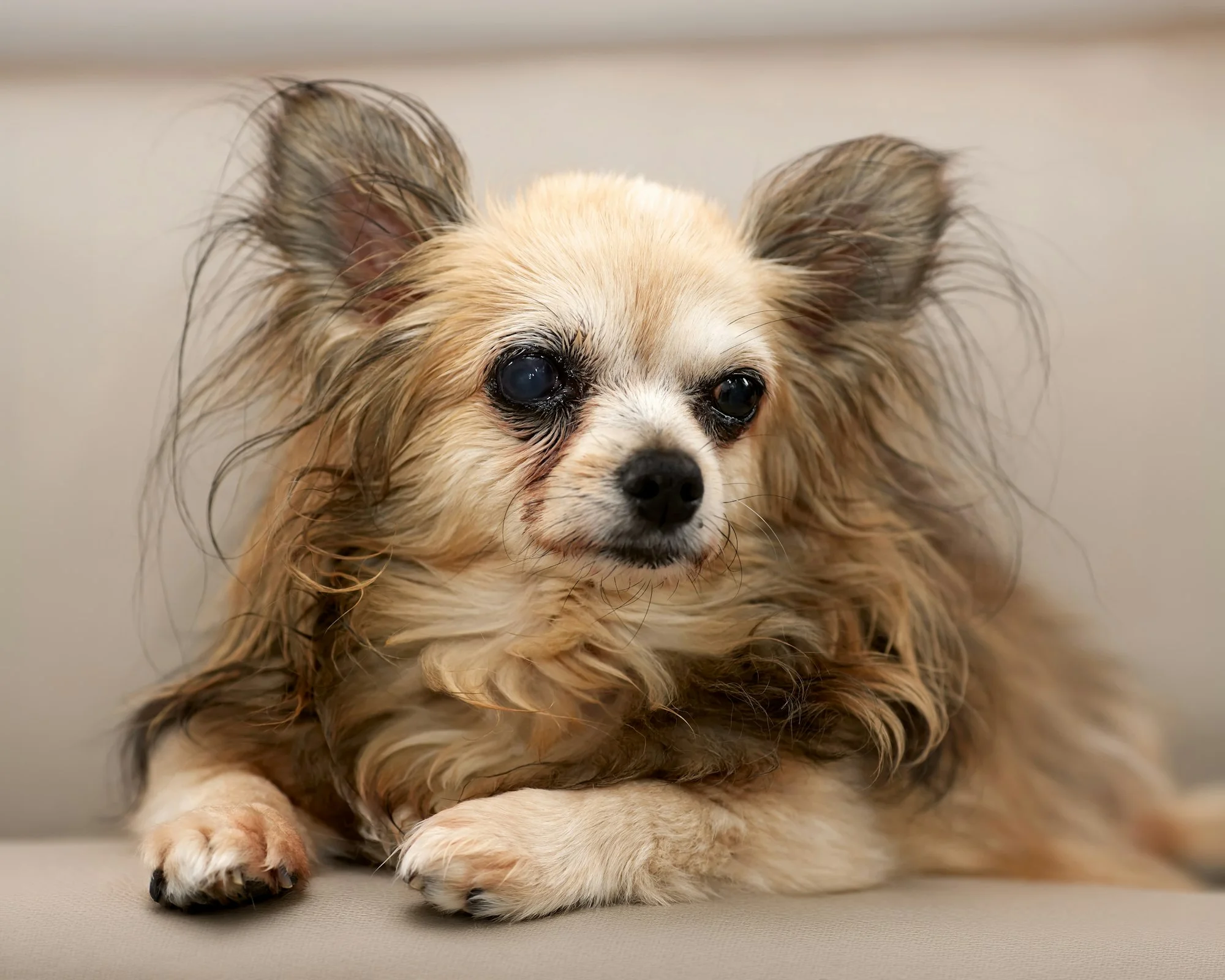
The prospect of your dog's eyesight deteriorating can be alarming. As pet owners, it's unsettling to watch them navigate their world less confidently, often colliding with furniture or missing toys. While lens cloudiness in an eye may seem minor, cataracts can significantly impair vision.
Much like humans, dogs have a lens in their eye that is crucial for focusing light on the retina. A cataract forms when this lens becomes opaque, obstructing light and transforming the clarity of the vision. Understanding the signs and stages of cataracts is vital for timely intervention.
What Are Cataracts in Dogs? Signs, Stages & What They Look Like
Cataracts can first manifest subtly, often too faint to affect a dog’s vision immediately. However, as they progress, they can severely impair sight. Look out for these key indicators:
- A cloudy appearance in the eye
- Frequent bumping into obstacles
- A bulging eye
- Leaning against walls while moving
- Inflammation around the eye
- Frequent pawing or rubbing at their eyes
- Changes in pupil color—appearing bluish or white
- If diabetic, increased thirst and urination may accompany other symptoms
One of the most apparent signs of cataracts is the presence of a milky area on the lens of the eye.
Cataracts develop through four distinct stages:
- Incipient Stage: Often barely noticeable, these early cataracts are small enough that they don't interfere with vision. Surgical intervention is rarely warranted at this point.
- Immature Stage: Covering 15% to 99% of the lens, these cataracts do begin to interfere with vision.
- Mature Stage: When the cataracts obscure 100% of the lens, dogs can typically only detect changes in light; vision impairment is acute.
- Hypermature Stage: The lens may start to shrink, and inflammation (uveitis) can occur, complicating the condition.
Cataracts vs. Nuclear Sclerosis vs. Glaucoma: Key Differences
As cataracts develop, they can lead to further complications like glaucoma or uveitis. Understanding these conditions can clarify the situation:
Nuclear sclerosis is a typical aging process in dogs, characterized by a bluish haze in the lens. Unlike cataracts, it rarely results in significant vision impairment.
Glaucoma, on the other hand, is an increase in eye pressure that can result in blindness. Signs include an eye bulge and haziness in the cornea rather than the lens itself.
Causes, Prevention & Non-Surgical Care
There are numerous potential causes of cataracts, rather than a single definitive one, including:
- Diabetes mellitus
- Progressive retinal atrophy
- Genetics or hereditary factors
- Age-related changes
- Environmental factors like electrocution or radiation exposure
- Nutritional deficiencies
- Trauma or exposure to toxins
- Eye inflammation (uveitis)
Dr. Park highlighted the prevalence of inherited cataracts, noting that many breeds are predisposed to juvenile cataracts stemming from genetic issues.
Dr. Lim and colleagues provided critical insights into treatment, stating:
“Surgical extraction represents the only method by which cataracts can be effectively treated. While success rates have improved, surgery is not guaranteed to be complication-free.”
Treatment & Surgery: What to Expect, Costs, and Recovery
If cataracts are suspected, a thorough veterinary examination is necessary, which usually involves several tests such as the fluorescein stain test, Schirmer tear test, slit-lamp biomicroscopy, and tonometry. Eye drops are often used during examinations to ensure clear visibility of the retina.
Surgery is an option when the retina remains healthy enough to process visual information; procedures like ocular ultrasound and electroretinogram may determine this. If the retina is compromised, surgery may not provide a benefit.
Dr. Adkins emphasized potential risks: “The most common reason dogs don't qualify for surgery is due to retinal degeneration,” highlighting the importance of early detection.
The process involves meticulous preoperative tests and postoperative care. The use of tools like the Petcube App can streamline tracking your dog’s health and recovery, providing access to certified vets as you navigate this challenging time.
Financially, cataract surgery along with necessary tests can cost between $3,500 and $5,500, dependent on the expertise of the veterinary ophthalmologist. Currently, there is no alternative treatment to surgery for cataracts.
Post-surgery, dogs typically stay for monitoring and will need protective cones to prevent eye damage during recovery. Remember, cataracts worsen progressively, and earlier surgical intervention increases chances of a successful outcome.
Final Thoughts
The growth rate of cataracts in dogs can vary widely, so prognosing their development is difficult. If untreated, cataracts can lead to significant vision loss or complete blindness. As soon as you notice unusual changes in your dog's eyes, consulting a veterinarian is essential for potential intervention.



Discussion
Sign in to join the discussion.