Effective strategies to help your new puppy adjust to solitude as daily routines resume post-summer.
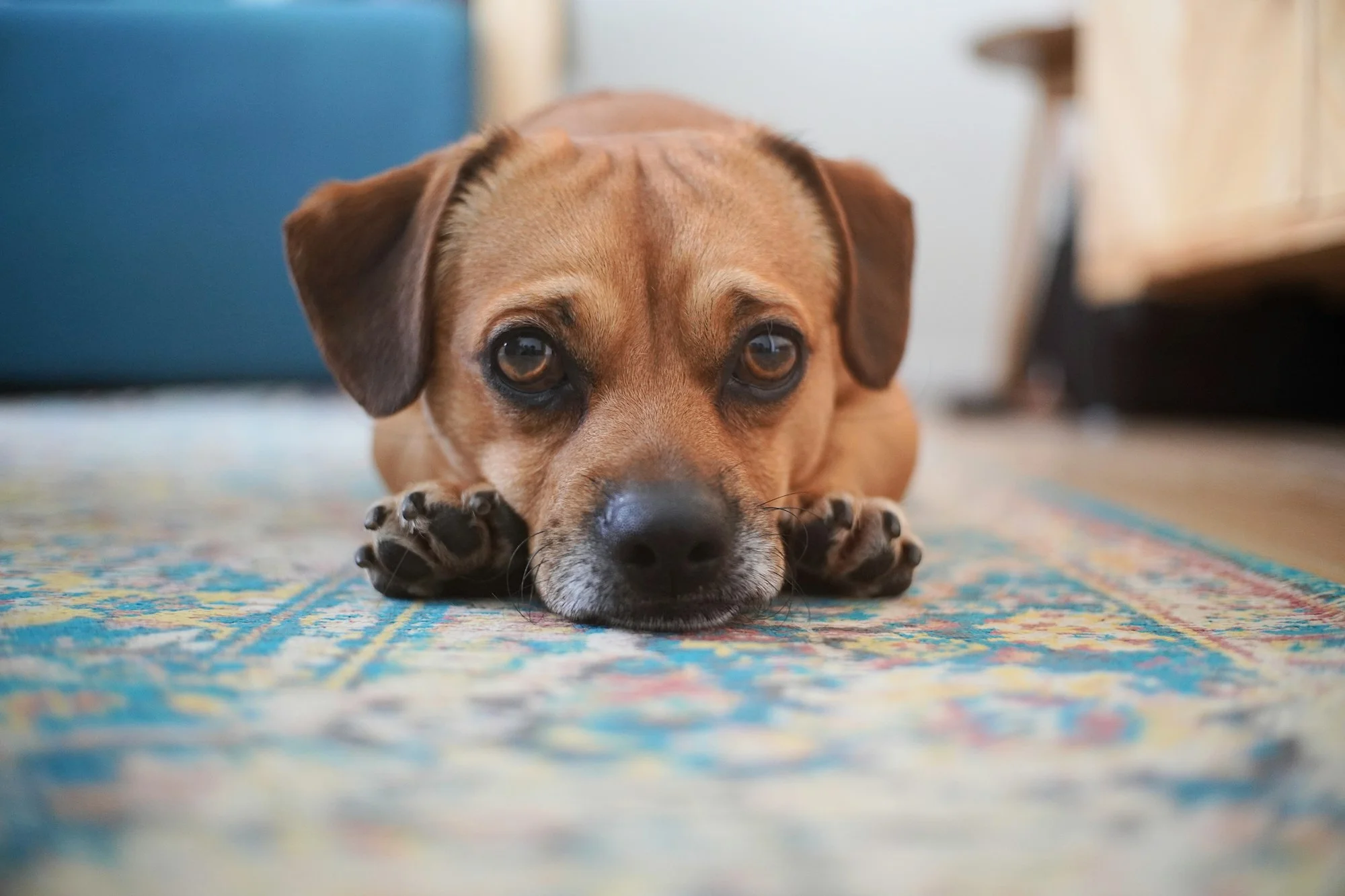

Bringing a puppy into your home can be a joyful experience, especially when distractions are minimal during the summer months. However, as routines shift back to school and work, the sudden change can trigger separation anxiety for your puppy. These furry companions, accustomed to having their humans close by, may struggle with solitude once they're left alone for extended periods. This adjustment period can be stressful not just for the puppy but for new pet owners trying to navigate this change.
Understanding Puppy Separation Anxiety
Puppy separation anxiety manifests as genuine distress when your dog is left alone. Common symptoms include incessant barking, howling, drooling, pacing, and destructive behaviors, particularly when they’re aware you’re about to leave. This isn't merely a case of being a "bad puppy"; it's important to perceive such behaviors as signals that your pet is experiencing significant emotional distress. The context matters: if these issues arise primarily during your departure or in your absence, it's likely anxiety rather than typical puppy antics. This distinction is vital, as misinterpretation could lead to ineffective training strategies.
Identifying Anxiety vs. Typical Puppy Behavior
Puppies are naturally curious, and their behavior can be misinterpreted as anxiety. Chewing on furniture or whining can often be signs of adjustment rather than true distress. It’s crucial to assess their overall emotional state. A content puppy may fuss momentarily before settling down, whereas one with genuine anxiety may escalate in frustration and panic. This nuanced understanding can help in determining the most effective training approaches. In many cases, what appears to be a behavioral problem may simply reflect a puppy's need for stability and comfort.
Crate training, while beneficial when introduced gradually, is not a cure for separation anxiety. If a puppy is confined while distressed, it can exacerbate the problem significantly. Instead, focus on teaching independence through positive reinforcement and a supportive environment, ensuring the puppy feels safe rather than punished.
Promoting Independence Before Extended Absences
To minimize the risk of separation anxiety, begin by fostering independence in small steps. Encourage your puppy to rest away from your immediate presence, using engaging beds or mats and rewarding relaxed behavior. Starting with brief separations, like walking into another room or stepping outside for a quick breath of fresh air, can build their confidence. Gradually increase the duration of time they spend alone, making it part of a predictable routine.
One insightful comment from a dog training forum captures it well: “Not leaving your puppy alone for longer than they can handle is the best practice for managing separation anxiety.” You might consider varying your routine slightly to help them adjust. For example, practice picking up your keys or putting on shoes without actually leaving. These everyday cues can help your puppy get accustomed to you departing without attaching negative emotions to the experience. (And this is the part most people overlook: daily habits can significantly impact your puppy's sense of security.)
The Petcube App can offer insight into their behavior post-departure, allowing you to monitor their reactions rather than relying solely on cleanup upon your return. Monitoring apps can also provide reassurance that your puppy is managing alone better than you might expect.
Recognizing When to Seek Professional Help
Signs that professional assistance may be needed include extreme panic when left alone, self-injury, an inability to relax, sudden appetite loss, or stagnant progress during training. If such issues arise, consulting with a veterinarian and a qualified behavior professional is advisable. Veterinary behaviorist Dr. Bonnie Beaver emphasizes that behavioral changes, such as separation anxiety, might coincide with medical issues like hypothyroidism. This additional complexity highlights the importance of comprehensive evaluation. If anxiety persists or worsens, expert intervention becomes increasingly prudent.
When general anxiety becomes debilitating, veterinarians might suggest medications, although these are typically reserved for older dogs and should be approached cautiously in young puppies. Above all, avoid punitive actions against your puppy; understanding that your puppy is acting out of fear can pave the way for more effective training efforts.
Implications and Future Outlook
The understanding of puppy separation anxiety reflects larger trends in pet ownership and behavioral training. As more people adopt dogs, awareness of these issues is increasingly crucial. New pet owners need resources and guidance that go beyond mere obedience techniques. Trainers and veterinarians alike are becoming more attuned to emotional aspects of pet behavior. With this shift comes the responsibility to provide comprehensive support to dogs and their owners in navigating transitions.
This scenario raises questions about the future of animal behavior education. If you're working in this space, consider how you might incorporate emotional well-being into training curricula. Education and awareness can lead to better outcomes for pet owners and their psychologically healthy pets.
Fostering a Sense of Safety with Independence
The key to ensuring your puppy feels comfortable being alone begins before life demands longer absences. Gradually nurture their independence, being attentive to their needs and emotional signals. If signs of distress persist, don't hesitate to seek expert advice, allowing your puppy to thrive even in your absence. A proactive approach will not only improve your puppy's well-being but also enrich your relationship with them, making shared time more rewarding for both of you.



Discussion
Sign in to join the discussion.