Critics argue that the plastics industry's portrayal of chemical recycling as a solution masks environmentally harmful practices under misleading claims.
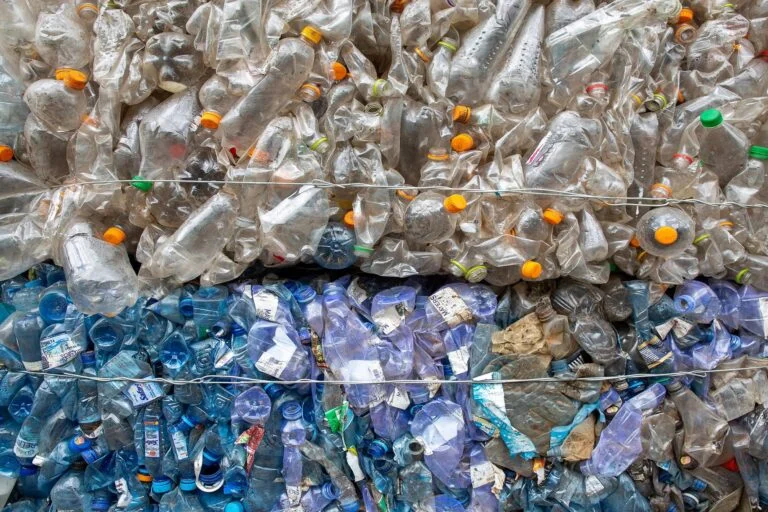
Plastic Pollution Crisis
Plastic waste has become a significant environmental concern, impacting ecosystems and human health worldwide. The sheer volume of plastic produced since the 1950s, estimated to be over 8 billion tons, is staggering. It's permeating oceans, wildlife, and even human bodies, leading to microparticle contamination and potential long-term health effects. Urgent action is needed, as scientists and over 75 countries advocate for binding regulations on plastic production driven by fossil fuels. Such measures could include restrictions on the types of plastics produced, incentives for alternatives, and stricter waste management practices. However, the plastics industry remains staunchly opposed to these limitations, often framing them as threats to economic growth and innovation.
The Emergence of Chemical Recycling
In response to the growing criticism, the industry has promoted a suite of technologies collectively known as 'chemical recycling.' This method is pitched as a solution to the pervasive plastic waste problem. But critics contend this is a rebranding effort designed to mask the harmful effects of current disposal methods, including plastic incineration. There's a growing body of research suggesting that many chemical recycling processes emit harmful pollutants, exacerbating the environmental problems they claim to solve. The amount of recycled plastic produced through these facilities is alarmingly low, raising questions about their efficacy and transparency. Many facilities operate at a fraction of their designed capacity, and with so few products coming out as actual recycled material, it leads to skepticism about whether these systems are ever going to make a meaningful impact.
Misleading Marketing Practices
In a marketplace where sustainability is increasingly prioritized, consumers are encountering labels on single-use plastic items claiming "20% recycled plastic." While that sounds promising, this labeling can create a false impression—that the product indeed contains that amount of recycled material, sourced responsibly and transparently. The scenario is more complex. These claims may not accurately reflect practices; for instance, they could involve using pre-consumer waste rather than post-consumer recyclables. This discrepancy raises concerns about the potential for greenwashing, where companies use such claims to inflate their environmental credentials without implementing substantial change. Practices like these can confuse consumers who want to make eco-conscious choices but end up supporting businesses that don’t genuinely prioritize sustainability.
Understanding Chemical Recycling Technologies
Referred to as 'advanced recycling' by the industry, chemical recycling involves breaking down plastic waste via chemicals, heat, or pressure into its molecular components. This method represents a departure from traditional recycling processes, which typically focus on mechanically shredding plastic into flaked material ready for remolding. One of the most prevalent forms of chemical recycling, pyrolysis, applies high temperatures under pressure to transform plastic waste into oil. This oil can then undergo further processing to create various chemicals, including those used for new plastics. However, the environmental implications of these processes are still under debate. Critics argue that the emissions associated with chemical recycling could counteract any benefits derived from the recycling itself. Additionally, the energy requirements for these processes often come from fossil fuels, raising the question of whether they truly offer a sustainable solution.
Implications and Future Outlook
The discussions surrounding chemical recycling have broader implications for environmental policy and corporate responsibility in the plastics industry. If you're working in this space, understanding both the potential and limitations of these technologies is essential. While there's a push for innovation, the reality is that the polymers we rely on are often poorly designed for a circular economy. Relying heavily on chemical recycling could delay necessary reforms in plastic production and consumption patterns. Advocates for sustainability worry that this can distract from the more significant push: reducing plastic production in the first place.
This issue places consumers at a crossroads. Many want to support environmentally conscious practices, yet the information available can be misleading at best. Stakeholders from scientists to policymakers must demand greater transparency in the plastic recovery process and push for genuine alternatives. If companies are allowed to co-opt environmental terms without evident benefits, substantive progress on plastic pollution may remain elusive. A future where sustainable materials and practices replace single-use plastics rests on how we navigate these challenges now. The need for better regulations and clear guidelines will only increase as awareness and scrutiny around plastic consumption continues to grow. That's the reality facing the industry today.



Discussion
Sign in to join the discussion.