As U.S. states initiate measures to reduce wolf populations, a deeper understanding of their social structures highlights the risks involved.
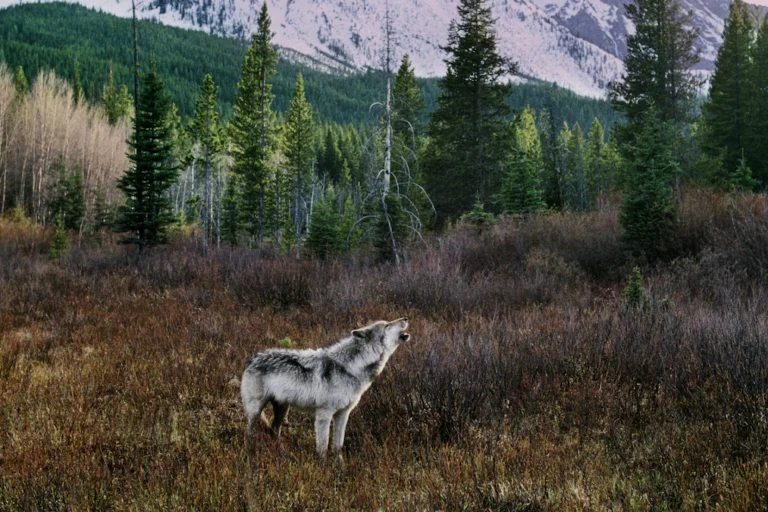
For centuries, wolves have been mischaracterized as monstrous villains, overshadowing their role as vital social beings in ecosystems. This negative perception has often overshadowed their ecological contributions and complex social structures. In many narratives, they’ve been depicted as ruthless predators, but the reality is far more nuanced. My experience alongside a pack of gray wolves (Canis lupus) in Idaho’s Sawtooth Wilderness during the 1990s revealed their true nature. Living in that remote mountain region for six years gave me the opportunity to observe not only their behaviors but also their interactions, which are deeply rooted in familial bonds and cooperation. These animals, often misunderstood, demonstrated profound family connections. They cared diligently for their offspring and exhibited supportive behaviors towards injured members. We witnessed the emotional depth of wolves when we saw their grief following the death of a pack member. In those moments, their behavior echoed the sorrow found in human families, lasting weeks and revealing a level of emotional intelligence that challenges the simplistic view of wolves as mere killing machines.
Misconceptions and Ecological Importance
Wolves play a crucial role in maintaining the health of ecosystems, a fact that many who vilify them often overlook. By managing deer and elk populations, they help prevent overgrazing, which can lead to habitat degradation. When a predator like the gray wolf is removed from an ecosystem, the ripple effects can be profound. This phenomenon was notably observed in Yellowstone National Park, where the reintroduction of wolves helped restore ecological balance by controlling the populations of deer, allowing vegetation to flourish. Wolves’ hunting practices promote the culling of weaker animals, resulting in a more genetically stable prey population. Yet, these facts often get lost in a narrative that paints wolves as threats to livestock and rural livelihoods.
When discussing wildlife management, it's essential to challenge the prevailing narratives that have demonized wolves. Their portrayal in popular culture, literature, and folklore has long contributed to a deep-seated fear. The image of the Big Bad Wolf is powerful, shaping attitudes that reflect a broader discomfort with predators. Compounding these issues, perceptions are influenced by economic interests — ranchers often lobby against wolves due to livestock predation. That said, non-lethal measures for protecting livestock are becoming more prevalent and effective. Guard animals, fencing, and community engagement can mitigate conflicts without resorting to lethal control.
Recent Legislative Changes and Their Implications
The habitat where we camped was enclosed not to keep wolves at bay, but rather to safeguard our belongings from their endless curiosity. This firsthand insight reshapes why recent actions targeting wolf populations in the American West are concerning. After considerable resources and dedication went into the restoration of gray wolves across their historical ranges, many states are now implementing policies that threaten to drastically decrease their numbers once more. In Idaho, for instance, legislative changes enacted in 2021 signal a worrying trend, suggesting a quick retreat from the conservation efforts that had previously gained traction.
These legislative moves are alarming to conservationists who fought hard for the wolves' return to these ecosystems. The push for increased hunting quotas and the rolling back of protections can lead to population declines that are unsustainable in the long run. Idaho's recent actions are emblematic of a larger trend across certain states, where economic interests are prioritized over ecological science. The management of wolf populations often becomes a political issue; the complexities of local economies, tourism, and traditional hunting practices muddy the waters. Indeed, the arguments in favor of killing wolves often hinge on anecdotal evidence rather than scientific data that actually supports the notion of their ecological role.
The Social Structures of Wolves: A Closer Look
Understanding the rich social structure of wolves is essential as we navigate these contentious developments in wildlife management policy. Wolves operate within tightly-knit family groups. Their hierarchical structures support social interactions that promote cooperation, conflict resolution, and mutual support. For anyone studying animal behavior, the experience of observing a wolf pack offers deep insights into social dynamics, including communication, teamwork, and community resilience. Packs often consist of a breeding pair and their offspring, but non-breeding adults may remain and assist in caring for younger members, enhancing the survival of the pack.
This intrinsic social fabric should inform policies regarding their management. It raises the question: how do we value these creatures in the context of their ecosystems and their behavioral complexities? The emotional intelligence and familial bonds among wolves make them far more than mere stock photos of wild predators. They are symbols of resilience and adaptability in the face of adversity. Ignoring these qualities in policy formulation is short-sighted. If you're working in this space, remember that conservation is as much about understanding the species as it is about managing their numbers.
Future Outlook: Challenges Ahead
The outlook for wolves in regions like the American West teeters on a precarious edge. With legislative trends pointing toward increased hunting and strategic reductions in their populations, the future of gray wolves hangs in the balance. Amidst this contentious environment, public perception continues to shift, often driven by both ecological science and local narratives shaped by historical context.
What this means for you, whether you are a policy-maker, conservationist, or local resident, is the necessity for informed discourse that values facts over folklore. The mischaracterization of wolves should not dictate wildlife management strategies; rather, a nuanced approach that considers both ecological importance and cultural perceptions is needed. As debates heat up, it’s a critical moment to advocate for informed policy decisions that genuinely reflect the ecological roles and social structures of wolves. Because ultimately, the true value of wolves extends far beyond mere numbers in a population count.



Discussion
Sign in to join the discussion.