Zambeze Delta Safaris receives the Markhor Award for pairing regulated hunting with wildlife restoration and community development in Mozambique.
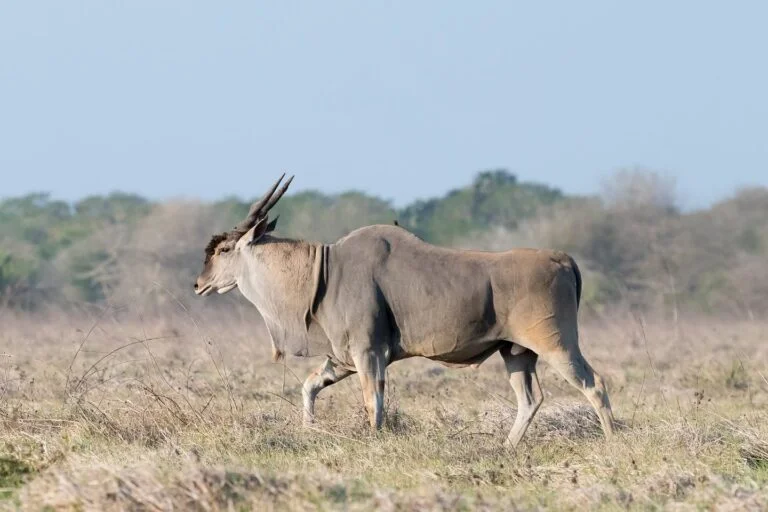
Zambeze Delta Safaris’ work in Mozambique’s Zambezi Delta has earned the company the 2026 Markhor Award, which recognizes conservation through sustainable wildlife management. Led by professional hunter Mark Haldane, the operator received the award on Oct. 22 at the U.N. Biodiversity Conference, COP17, in Yerevan, Armenia. The recognition puts a specific local model before an international audience at a time when governments are assessing whether their wider biodiversity commitments are being met. It also raises a question that the award alone can’t settle: how should conservation efforts be judged when they combine wildlife protection with regulated trophy hunting?
Conservation tied to local benefits
The company combines regulated trophy hunting with wildlife restoration, anti-poaching work and community development in a region devastated by Mozambique’s civil war. That combination matters because conservation isn’t only a question of protecting animals; it also depends on whether people living near wildlife see lasting value in its survival. The company’s model aligns with Target 9 of the global biodiversity goals adopted in 2022, which calls for sustainable wildlife management that benefits communities. The target supplies a broad framework, while the work in the delta is one effort to put that principle into practice.
Haldane said the recognition was unexpected. “There is no other way to describe it than it’s a truly humbling feeling,” he told Mongabay in a WhatsApp interview. “In my wildest dreams I never imagined this or anything close to this.” His reaction conveys what the award means to the operator, but it doesn’t answer questions about the scale of wildlife recovery or how benefits are distributed locally. Those details matter when readers try to understand what a conservation model delivers beyond the recognition it receives.
The award arrives as governments review progress toward biodiversity targets, with a new U.N. assessment warning that the world remains off track for its 2030 commitments. Against that backdrop, a recognized project can offer a concrete example for discussion, but one example can’t establish that a broader approach is succeeding everywhere. Astrid Schomaker, executive secretary of the Convention on Biological Diversity, welcomed the award at the announcement, saying, “Here is something we can celebrate.” That is an endorsement of the work’s significance; it isn’t a substitute for evidence about its outcomes.
Why the model draws attention
Regulated trophy hunting is a contested tool in conservation because it links the use of wildlife to claims about protecting it and supporting communities. The source account describes Zambeze Delta Safaris as combining hunting with restoration, anti-poaching work and community development, but gives no figures on revenue, population changes or the distribution of local benefits. That limits what can be concluded from the available details. The award recognizes the company’s approach, while a full assessment would require information about how the activities are managed and what results they produce over time.
That distinction is easy to miss. A conservation award can draw attention to work that might otherwise be less visible, and it can signal that an approach deserves consideration. But the label itself doesn’t show which interventions made the greatest difference, whether progress has been sustained, or how people in nearby communities assess the results. Those are ordinary questions for any conservation program, especially one that joins wildlife use to protection and development goals.
(And this is the part most people overlook.) The local context matters as much as the headline method. The account places the work in a region whose wildlife populations were sharply reduced after years of conflict. Rebuilding wildlife in that setting involves more than announcing a new policy or setting a target; it requires sustained work on the ground and a reason for communities to support it. The article identifies several parts of the company’s model, but doesn’t describe how each has changed over time.
Decades of work in Coutada 11
Haldane began working in Coutada 11, a hunting concession in central Mozambique, in 1994, after years of conflict had sharply reduced wildlife populations. He later founded Zambeze Delta Safaris with Mozambican businessperson Carlos Pacheco Faria. That history places the company’s work within a longer effort to restore wildlife in an area affected by conflict, rather than presenting the award as the result of a short-term initiative. The company’s award nomination describes wildlife recovery since its work in the region began, though the source account ends before providing further details.
The gap in detail is significant. Without information about particular species, population trends, monitoring methods or community outcomes, readers can’t independently gauge the extent of the recovery described in the nomination. That doesn’t negate the recognition, but it does define what the available account supports: the company has worked in Coutada 11 for decades, and its nomination presents recovery as part of that record. More specific claims would need evidence that isn’t included here.
What the award means for conservation efforts
The Markhor Award gives Zambeze Delta Safaris visibility at a conference focused on biodiversity, and it places the company’s approach in a debate about how wildlife management can serve both conservation and communities. This is more significant than it looks: international recognition can bring attention to practical work in a region where conflict has damaged wildlife populations. Still, recognition is a starting point for scrutiny as well as celebration. The useful next step for anyone assessing the model is to look for clear accounts of its ecological results and local effects.
If you’re working in this space, the case also shows why broad targets need local examples to make them tangible. Target 9 calls for sustainable wildlife management that benefits communities; the company says its activities connect management, restoration and community development. Whether that connection holds up in practice depends on details beyond the award announcement. The available account leaves those details open.
One award can’t resolve the wider debate over hunting and conservation. It can, however, direct attention to a long-running effort and invite closer examination of what has changed in Coutada 11. The distinction matters: a celebrated model may offer lessons, but those lessons depend on evidence about outcomes, not just the stated goals. For now, the recognition marks a milestone in the company’s work and a public acknowledgment of its conservation claims. A useful signal. Not the whole record.
This article was originally published on Mongabay.



Discussion
Sign in to join the discussion.