Studies in fire-affected British Columbia are examining fungi, beetles, birds and carnivores to understand what thrives after wildfire.
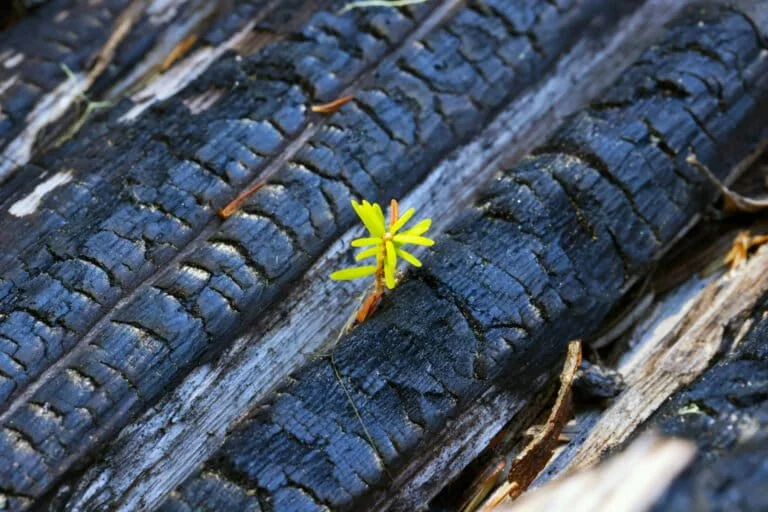
Wildfire research is shifting attention from the flames to the ecosystems they leave behind. In British Columbia’s Interior, Canadian researchers are studying fungi that consume charcoal, beetles that detect heat, birds and at-risk carnivores to learn which species thrive after fire and why their responses matter for biodiversity. That focus changes the central question: instead of treating a burned forest only as damage to be measured, researchers are asking what happens next, and which forms of life are part of that recovery. The answer may depend on more than whether a species survives the fire itself.
The work comes amid increasingly destructive fire seasons. Four of the five worst years for global forest fires on record have occurred since 2021. In 2026, blazes have forced hundreds of thousands of people to flee across North America, Europe and Africa. As the Northern Hemisphere season winds down, widespread fires are affecting tropical countries including Indonesia, Brazil and Tanzania. Those events put the ecological research in a difficult but necessary frame: fires can cause immediate harm to people and habitats, while their effects on ecosystems continue long after the smoke clears. The scale of the current fires doesn’t, by itself, explain how forests respond or which species can persist.
Fire as an ecological force
Wildfires intensified by climate change can devastate communities and ecosystems. Yet fire also plays a long-standing role in ecosystem health and biodiversity. “All terrestrial animals evolved in landscapes that had fire,” said Karen Hodges, a Canadian conservation biologist. “It goes all the way back to the beginning.” The distinction matters: fire’s ecological role doesn’t make every fire beneficial, and it doesn’t reduce the damage caused by severe burns. It does mean that a forest’s relationship with fire can’t be understood by looking only at what burns.
Researchers are investigating that relationship in British Columbia’s Montane Cordillera, Canada’s most biodiverse region. It’s home to Lieutenant Dan, the country’s largest known living ponderosa pine (Pinus ponderosa), a species shaped by millennia alongside fire. The forest around the tree is slated for logging, underscoring the pressures facing fire-adapted landscapes. The tree offers a visible reminder that some ecosystems have long histories with fire, while the planned logging points to another source of change in the same setting. These pressures make it harder to isolate fire’s effects from the wider conditions shaping a forest.
Studying several kinds of organisms can help researchers examine different parts of that story. Fungi that consume charcoal, for example, draw attention to material left behind after a burn; heat-detecting beetles offer a way to consider how animals sense fire. Birds and at-risk carnivores bring other questions about which species use or persist in affected places. The source doesn’t establish what these researchers have found, so the value here is in the questions their work can address: which species appear after fire, which remain, and what conditions accompany those changes?
What recovery can reveal
“Recovery” can sound like a return to the forest as it was before. But the research described here is concerned with the life that follows a blaze, a broader question than whether the same plants and animals come back in the same numbers. Different species may respond in different ways, and observing those responses can give researchers a more detailed account of biodiversity after fire. That doesn’t mean a burned ecosystem has simply been restored, or that losses can be dismissed as part of a natural cycle. It means the period after a fire deserves attention in its own right.
That distinction is useful for readers trying to make sense of wildfire coverage. If you're working in conservation, land management or ecological research, the species that appear after a burn may raise questions about habitat and the conditions needed for different forms of life to persist. For the rest of us, the point is simpler: a forest’s story doesn’t end when the flames pass. The aftermath can be active, varied and difficult to interpret.
The stakes beyond the burn
Understanding what returns after a blaze, and what supports that recovery, could help clarify how fire shapes biodiversity. The researchers’ findings may offer a clearer picture of the life that persists after the flames pass. This is more significant than it looks: counting visible damage alone can miss organisms and ecological relationships that matter after a fire. And yet, research on post-fire life can’t erase the immediate consequences for communities forced to flee or ecosystems severely damaged by burning.
There’s also a practical tension in the setting. Lieutenant Dan is a living ponderosa pine in a region shaped by fire, while the surrounding forest is slated for logging. That fact doesn’t tell us how logging will affect the research or what decisions will follow, but it does show that fire isn’t the only pressure researchers must consider. (And this is the part most people overlook.) An ecosystem’s future may be shaped by several forces at once. The science can help describe those interactions; the source doesn’t yet say what conclusions the team will reach.
For now, the strongest takeaway is a question, not a verdict. What survives, what arrives, and what supports life after fire? Better answers could deepen understanding of biodiversity in fire-adapted regions, while keeping the distinction between ecological processes and destructive fire seasons clear. The flames are only one part of the story. The aftermath, too.
This story’s reporting and photography were supported by a 2025–2026 grant from the Sitka Foundation and the Science Media Centre of Canada. Originally published by Mongabay.



Discussion
Sign in to join the discussion.