At COP17 in Armenia, Indigenous representatives are working to set the governance, operating rules and funding for a new permanent biodiversity body.
The new body created under the Convention on Biological Diversity could give Indigenous peoples and local communities a stronger role in decisions about biodiversity. At COP16 in Cali, Colombia, in 2024, delegates adopted the Subsidiary Body on Article 8j after three decades of negotiations. Its creation gives representatives a formal place within the convention’s structure, but the practical influence of that place will depend on how the body is run and what it can accomplish.
From recognition to participation
The Convention on Biological Diversity is an international framework for cooperation on protecting biodiversity and the sustainable use of biological resources. Article 8j addresses the knowledge, practices and innovations of Indigenous peoples and local communities, alongside the need to encourage the wider application of that knowledge with the approval and involvement of those who hold it. A dedicated subsidiary body creates a forum for these issues to be discussed within the convention’s official processes.
That institutional step matters because recognition in a treaty and influence over decisions aren’t the same thing. A group can be acknowledged in principle while still having limited say over priorities, procedures or resources. The new body could help narrow that gap by giving Indigenous representatives a continuing role in shaping work connected to Article 8j, rather than leaving their participation dependent on occasional consultation.
But a formal seat is only a starting point. The body’s authority, its access to funding and the way it connects to broader biodiversity negotiations will shape whether participation translates into practical influence. This is more significant than it looks, though the hard test will come in the routine work that follows the headline decision.
The work of building the body
At COP17 in Armenia, Indigenous representatives are negotiating governance and daily operations. Their discussions include selecting co-chairs, carrying out 12 tasks in a programme of work and setting up funding mechanisms. These are administrative questions, but they’re also decisions about how the institution will function: who helps guide it, what work receives attention and whether participants have the resources to take part.
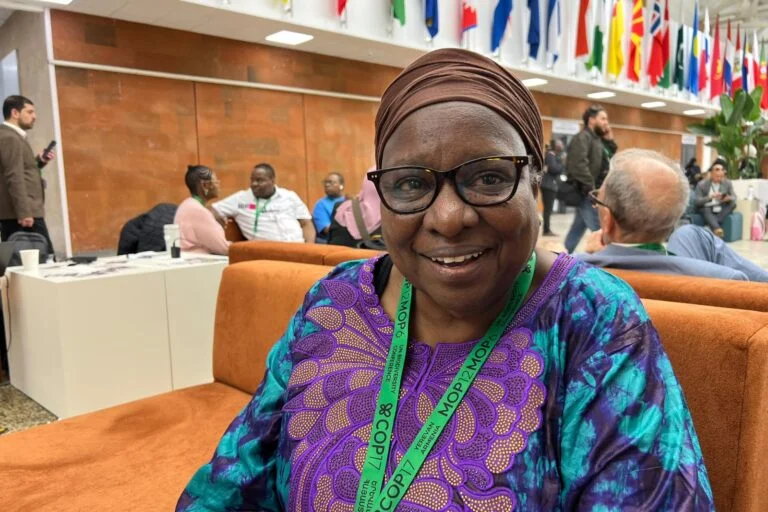
“It gives us a proper seat at the table … [but] it’s taken too long,” said Lucy Mulenkei, co-chair of the International Indigenous Forum on Biodiversity. Her comment captures both the value of the new arrangement and the frustration behind it. Thirty years of negotiations is a long time to wait for a dedicated body, and establishing it doesn’t by itself resolve the practical barriers that have limited Indigenous participation.
Funding is especially consequential for a body expected to carry out an ongoing programme of work. Meetings, preparation and sustained participation all require resources; without them, formal representation can become difficult to exercise in practice. The funding mechanisms under discussion will therefore help determine whether the body can support consistent engagement, though the source does not describe what arrangements negotiators are considering.
The 12 tasks also give the body a work plan to organize around. A list of tasks can provide direction, but its effect will depend on how the work is prioritized and carried out. The co-chair selection process matters for similar reasons: leadership can shape how discussions are organized and how different priorities are brought into the body’s work. (And this is the part most people overlook.)
Mulenkei’s experience and the stakes of knowledge
Mulenkei is a Maasai leader from Kenya and heads the Indigenous Information Network. Before turning to activism, she spent 17 years as a broadcast journalist covering environmental issues in East Africa. Her work now focuses on the knowledge and skills of Indigenous nomadic pastoralists and hunter-gatherers, communities whose experience is relevant to debates about how biodiversity is understood and managed.
That background gives her a perspective spanning public communication, environmental reporting and Indigenous advocacy. The issue isn’t simply whether knowledge is mentioned in policy discussions; it’s whether the people who hold that knowledge can help shape decisions about its treatment and use. When institutions recognize knowledge without giving its holders meaningful influence, participation can remain largely symbolic.
Mulenkei told Mongabay that negotiations are advancing, though barriers remain. That assessment is measured: progress is under way, but the work isn’t finished. If you’re working in this space, the distinction matters. A new body can create more regular opportunities to participate, while questions about resources, governance and implementation still determine how much those opportunities change outcomes.
What comes next
The immediate outlook depends on whether representatives can settle workable arrangements for leadership, the programme of work and funding. Those choices will give the Subsidiary Body on Article 8j its operating shape. They’ll also offer an early indication of how the convention intends to turn recognition of Indigenous and local knowledge into ongoing participation in biodiversity decisions.
Institution-building is rarely as visible as treaty adoption, but it often decides whether a negotiated commitment can be carried out. The body’s creation marks a change in the convention’s formal structure; its effectiveness will depend on what happens in meetings and in the work between them. A proper seat at the table is a meaningful opening. Whether it gives Indigenous peoples and local communities lasting influence remains an open question.
This article was originally published on Mongabay.



Discussion
Sign in to join the discussion.